Salt System Conversions & Installation on Long Island NY
Enjoy silky smooth, crystal-clear water without burning eyes or harsh chemical odors.
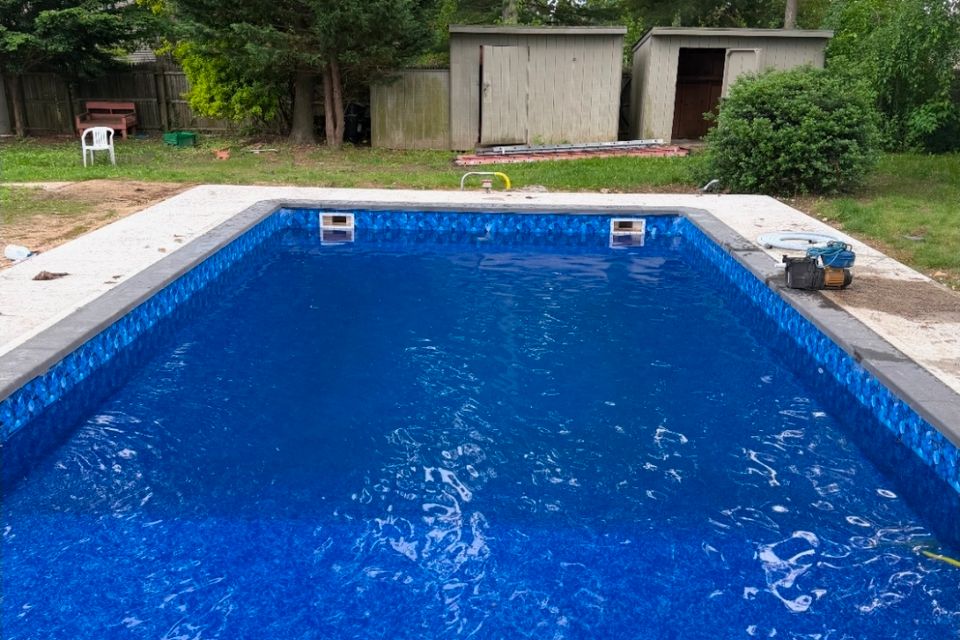
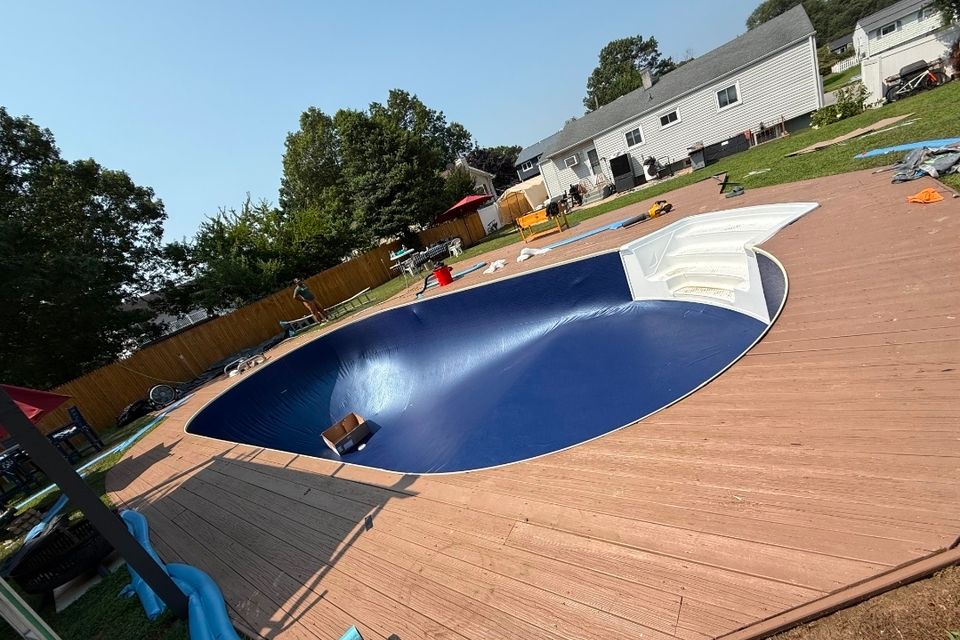
A salt water system uses an electrolytic cell plumbed into pool plumbing lines. As mild saline water flows through the energized cell, it converts natural salt into pure, active chlorine to sanitize the pool. After disinfecting the water, the chlorine turns back into dissolved salt, repeating the natural cycle continuously.
No, a salt pool does not taste like ocean water. Ocean water contains roughly thirty-five thousand parts per million of salt, while a residential pool runs at approximately three thousand parts per million, similar to human tears. Swimmers generally notice softer-feeling water rather than a salty taste.
Yes, almost any existing inground or above ground pool can be converted to salt water. The conversion does not require draining the water. Technicians install the electrolytic cell onto the equipment pad, wire the control center into the timer, add initial salt bags, and balance startup chemistry.
Salt systems require minimal maintenance compared to manual chlorination. Homeowners typically add a few bags of pure pool salt each spring and clean the internal cell plates once or twice per season to clear mineral scaling. The automated generator maintains daily sanitizer levels reliably without daily chemical dosing.
When properly balanced, salt water pools do not cause accelerated corrosion on modern swimming pool equipment. Technicians install sacrificial zinc anodes to safeguard internal heater cores and metal fixtures. Regular water testing ensures pH and salinity remain within specified ranges, protecting vinyl liners, equipment seals, and surrounding patio stonework.